If you are thinking about selling your Lihue home, it helps to know this is rarely a rush job. In today’s market, a strong sale often comes from careful prep, polished presentation, and clean paperwork, not a last-minute sprint. The good news is that with the right timeline, you can reduce stress, avoid preventable delays, and bring your home to market in a way that feels organized and strategic. Let’s dive in.
Why timing matters in Lihue
Lihue sellers are working in a market that rewards preparation. As of May 2026, the median listing price for homes in Lihue was $650,000, with 73 active listings, a median 134 days on market, and an average sale-to-list ratio of 99%.
That pace suggests you should plan for a thoughtful launch instead of expecting a quick weekend of showings and multiple offers. In the broader Kauaʻi market, January 2026 data from the Kauai Board of REALTORS® also showed deliberate timing, with median days on market at 100 for single-family homes, 105 for condominiums, and 284 for land.
For many sellers, a practical pre-listing window is about 4 to 8 weeks. If your home needs repairs, permit review, association documents, or updated disclosures, you may want even more lead time.
Plan your sale as a project
The cleanest way to prepare is to think of your sale as a multi-track project. One track covers documents and disclosure items. Another covers repairs and prep work. A third focuses on staging, photography, and marketing.
When those tracks are handled in the right order, your launch tends to feel smoother. You are also less likely to run into avoidable issues once an offer is accepted.
6 to 8 weeks before listing
Walk the home strategically
Start by walking through the property with your listing agent. This is the time to talk honestly about condition, pricing expectations, and which updates are worth doing before the home goes live.
A clear repair list early on can help you avoid spending money in the wrong places. In a market like Lihue, first impressions matter, but so does knowing where to stop.
Start disclosures early
Hawaii law requires the seller disclosure statement to be signed and dated within six months before or ten calendar days after acceptance. Even though that gives you some room, it is smart to begin the disclosure packet before listing.
Starting early gives you time to gather details carefully and ask questions if anything is unclear. It also helps prevent a paperwork scramble during contract negotiations.
Check permit needs before repairs
If you are considering pre-listing work, verify permit requirements before the work begins. Kauaʻi’s Building Division states that permit applications begin with a Building Permit Application, a checklist, and a contractor statement, and some projects may also require a Zoning Permit Application and Planning Department consultation.
This step matters because permit questions can affect your timing. Even small projects can create delays if county review is needed.
Gather condo or community documents
If your property is part of a condominium or planned community, begin collecting the declaration, bylaws, association rules, and any restrictions or conditions on use. Under Hawaii seller disclosure law, these documents are part of the required disclosure material.
Depending on the property, delivery of some documents may also depend on a current title report. Getting organized now can save time later.
Review location-specific disclosures
Some Hawaii disclosure items depend on where the property is located. If the home falls within mapped flood, airport-noise, tsunami, sea-level-rise, or shoreline-adjacent areas, state law requires those notices when applicable.
This is another reason to start early. Location-based disclosures are not something you want to discover at the last minute.
Check for pre-1978 lead records
If the home was built before 1978, gather any known lead-based paint records and the required EPA pamphlet. Federal law requires sellers to disclose known lead information before sale and give buyers a 10-day period for a paint inspection or risk assessment.
Even if you have owned the property for years, now is the time to pull together whatever records you have. Clean documentation helps the transaction move with fewer surprises.
3 to 4 weeks before listing
Focus on buyer-facing improvements
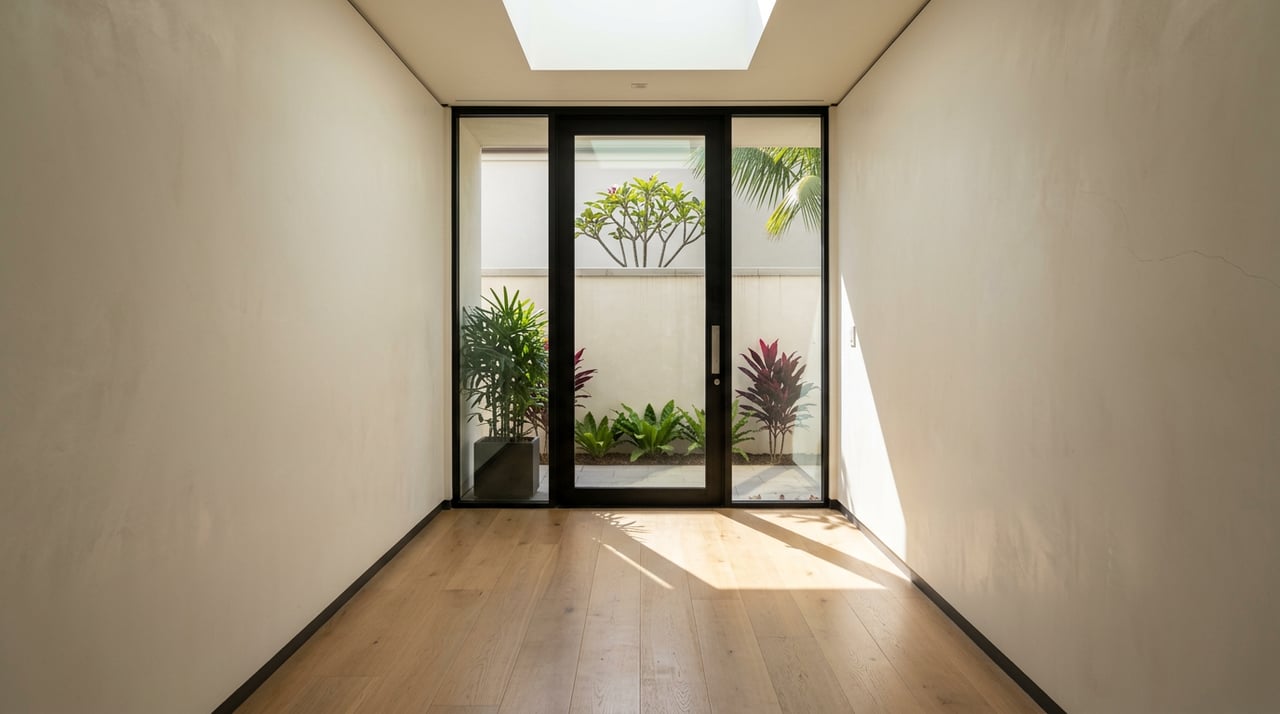
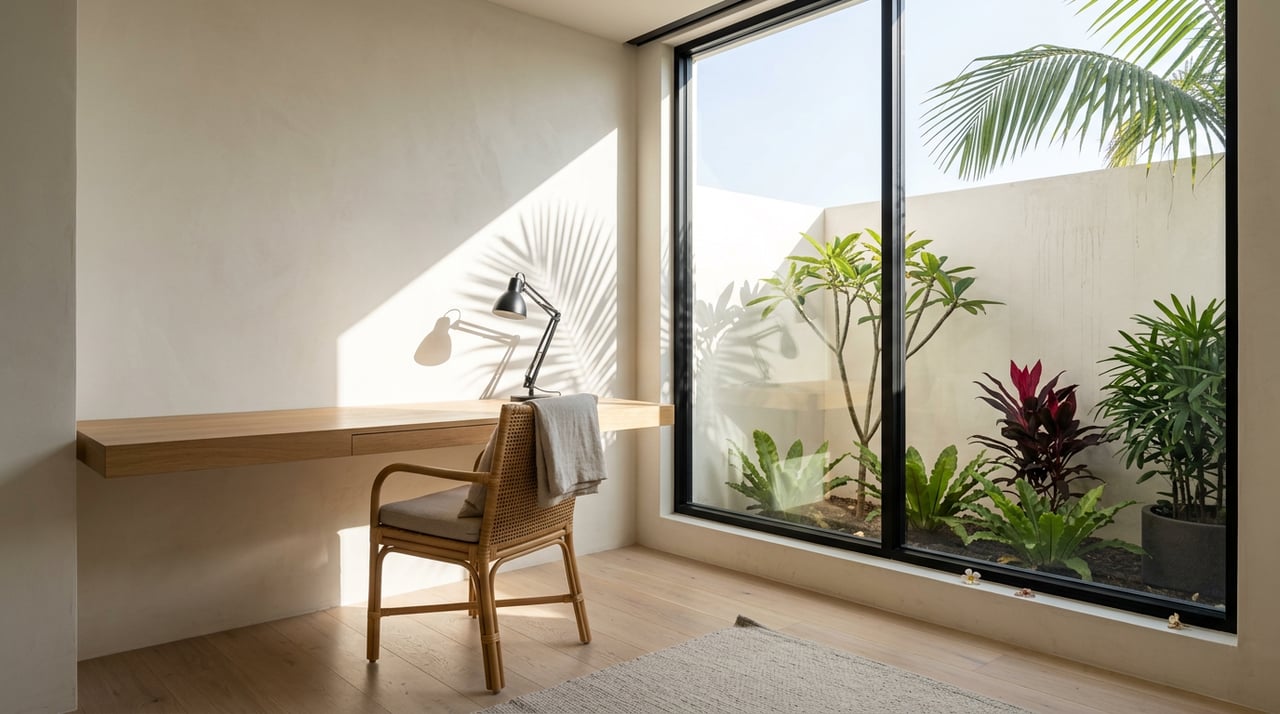
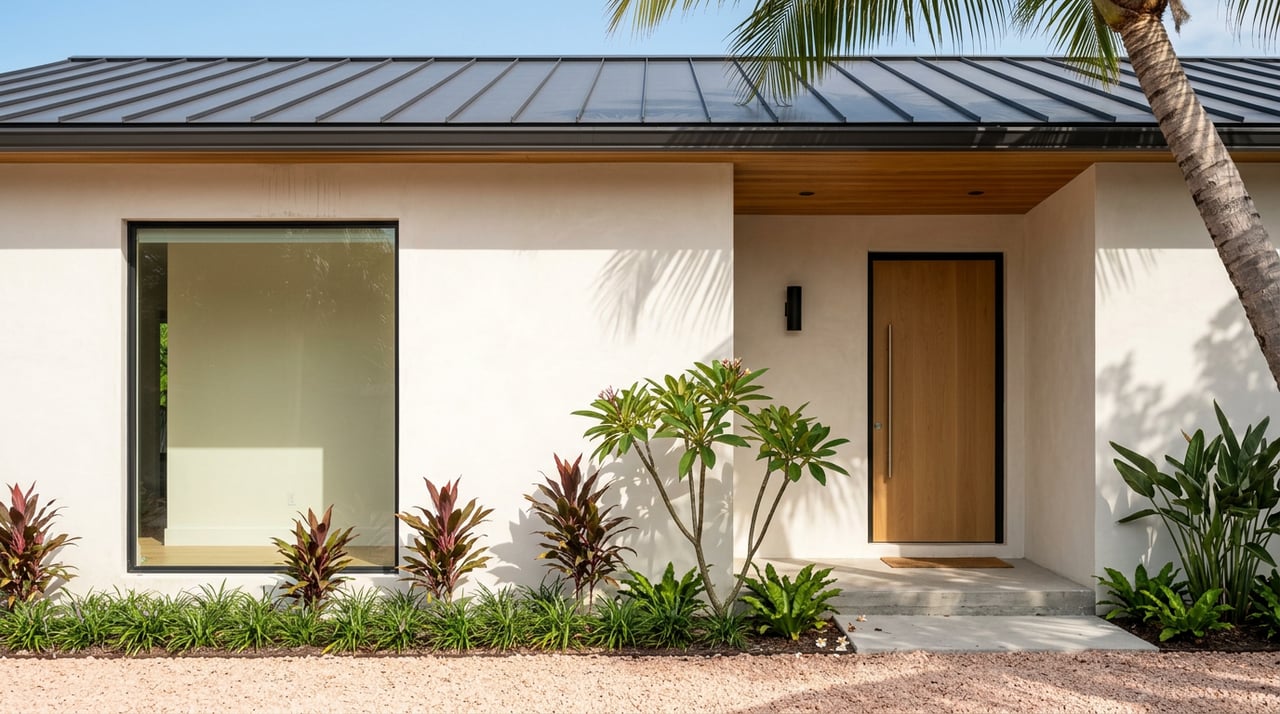
This is the window for the updates buyers notice most. Decluttering, deep cleaning, curb appeal, and selective repairs usually have more impact than taking on a long list of cosmetic projects.
According to NAR’s 2025 staging survey, decluttering, cleaning, and curb appeal were the most common recommendations to sellers. The same survey found that 83% of buyers’ agents said staging made it easier for buyers to visualize a property as a future home.
Budget for presentation
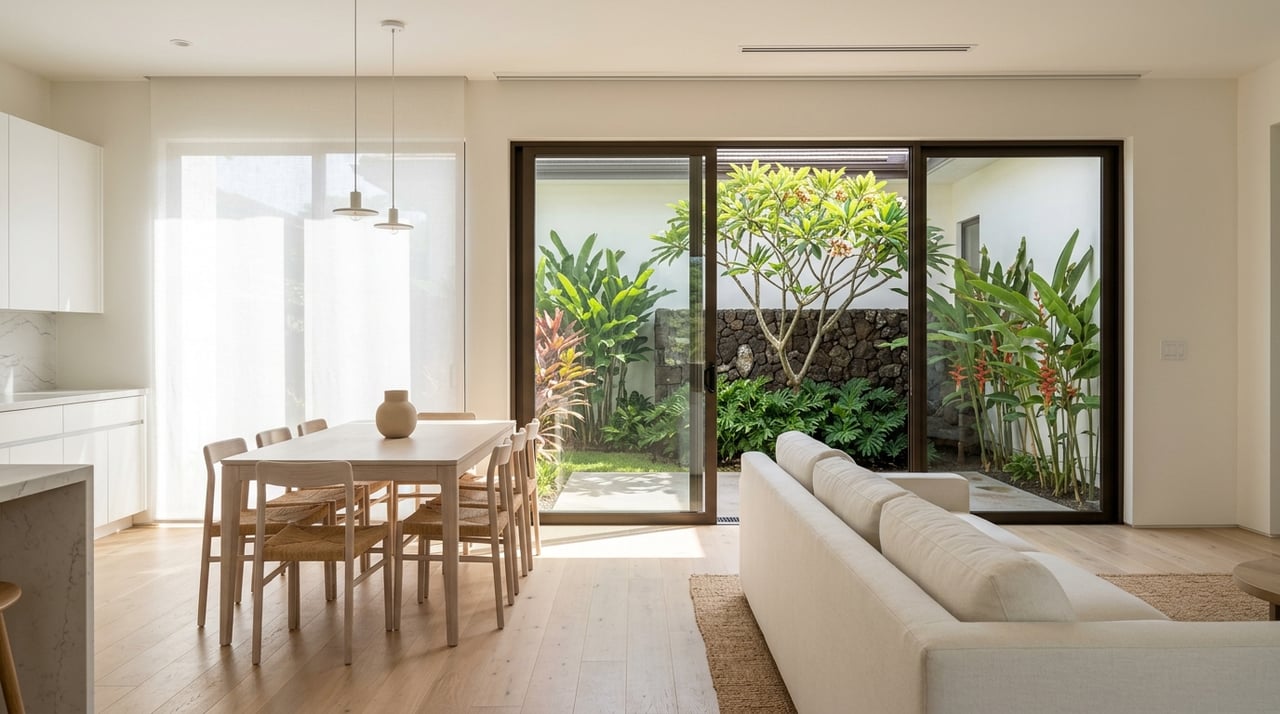
Presentation deserves its own budget. NAR found the median spend on staging services was $1,500, and staging most often focused on the living room, primary bedroom, dining room, and kitchen.
That does not mean every home needs full-service staging. It does mean you should think beyond repairs alone and plan for how the home will look in person and in marketing.
Sequence vendors carefully
The order of your vendors matters. A practical sequence is permit verification or repairs first, then paint, cleaning, and landscaping, followed by staging, then photography and video.
This protects your media day from being disrupted by unfinished work. It also helps ensure the home looks consistent across showings, photos, and video.
1 to 2 weeks before listing
Finish the home before launch
Try to complete deep cleaning, staging, and media capture before the listing hits the MLS. Buyers and their agents respond strongly to polished visual presentation, and first impressions often happen online.
NAR reported that buyers’ agents rated photos, traditional staging, videos, and virtual tours as important to their clients. That is why it is usually better to launch with a complete listing package instead of adding pieces later.
Make showings easier on yourself
Before listing, decide how showings will work. Prepare showing instructions, room-by-room presentation notes, and a routine that helps you keep the home ready.
This matters in a market where the median Lihue home is taking 134 days to sell. You may need to keep the property in showing condition longer than you would in a faster market.
Update changed disclosure details
If anything changes while you are preparing the home, update the paperwork right away. Hawaii law requires an amended disclosure statement if you later discover a material fact that directly, substantially, and adversely affects the property’s value.
In other words, your disclosures are not one-and-done if new facts come to light. Staying current protects both your timeline and your transaction.
Launch with realistic expectations
Expect a measured showing cycle
Once your home is live, a steady pace is more realistic than a dramatic rush. With Lihue homes selling at about 99% of list price on average and taking a median 134 days on market, negotiations may focus on price, timing, or credits rather than over-asking offers.
That does not mean your home cannot stand out. It means your preparation, pricing, and presentation should work together from day one.
Stay flexible during negotiations
In a market moving at a deliberate pace, flexibility can matter as much as presentation. A clean response to buyer questions, good documentation, and a well-maintained property can support your negotiating position.
Often, the goal is not just attracting interest. It is making it easier for the right buyer to feel confident moving forward.
Know the contract timeline
Disclosure deadlines continue after acceptance
Once you accept an offer, Hawaii’s disclosure timing becomes part of the transaction calendar. The seller must provide the disclosure statement no later than 10 calendar days after acceptance, and the buyer then has 15 calendar days to review it and potentially rescind.
Those time periods can be shortened or extended in writing. If the property includes recorded declarations, the related documents are generally due 10 calendar days after both sides receive a current title report, with a separate 15-day review window.
Watch for late-arising issues
Your disclosure duties do not end just because the property is under contract. If a new issue is discovered before recording and it materially affects value, Hawaii law requires an amended disclosure within 10 calendar days of discovery or by noon on the last business day before recording, whichever comes first.
That is another reason organized sellers tend to have smoother closings. Clear communication and timely updates matter all the way to the finish line.
A simple timeline to follow
Practical Lihue pre-listing checklist
- 6 to 8 weeks out: walk the home, set pricing expectations, build a repair list, start disclosures, verify permit needs, and gather association or location-specific documents
- 3 to 4 weeks out: declutter, clean, improve curb appeal, complete key repairs, and plan staging
- 1 to 2 weeks out: finish staging, capture photos and video, prepare showing instructions, and confirm disclosures are current
- At launch and under contract: stay ready for a longer showing window, negotiate with realistic expectations, and track Hawaii disclosure deadlines carefully
The bottom line for Lihue sellers
Preparing to list a Lihue home is usually less about speed and more about sequence. When you handle documents and permits first, then focus on presentation and media, you give your home a stronger market debut and reduce the chance of last-minute disruption.
For sellers on Kauaʻi, especially absentee or off-island owners, that kind of planning can make the entire process feel more manageable. If you want a discreet, organized listing strategy with concierge-level prep and polished marketing, Donna Rice can help you build the right timeline from the start.
FAQs
How long should it take to prepare a Lihue home for sale?
- A practical pre-listing window is often 4 to 8 weeks, and it may be longer if your home needs repairs, permit review, association paperwork, or extra disclosure work.
What repairs matter most before listing a Lihue home?
- The most useful pre-listing work usually includes decluttering, cleaning, curb appeal, and selective repairs that improve first impressions rather than an open-ended renovation list.
When do Hawaii seller disclosures matter for a Lihue home sale?
- Seller disclosures should be started before listing when possible, and under Hawaii law the disclosure statement must be signed and dated within six months before or ten calendar days after acceptance.
What documents are needed for a Lihue condo or planned community sale?
- If the property is in a condominium or planned community, sellers should gather the declaration, bylaws, association rules, and any restrictions or conditions on use as part of the disclosure process.
What should Lihue sellers expect after accepting an offer?
- After acceptance, sellers should expect a disclosure-driven timeline that includes delivery deadlines, buyer review periods, and possible amended disclosures if new material facts are discovered before recording.