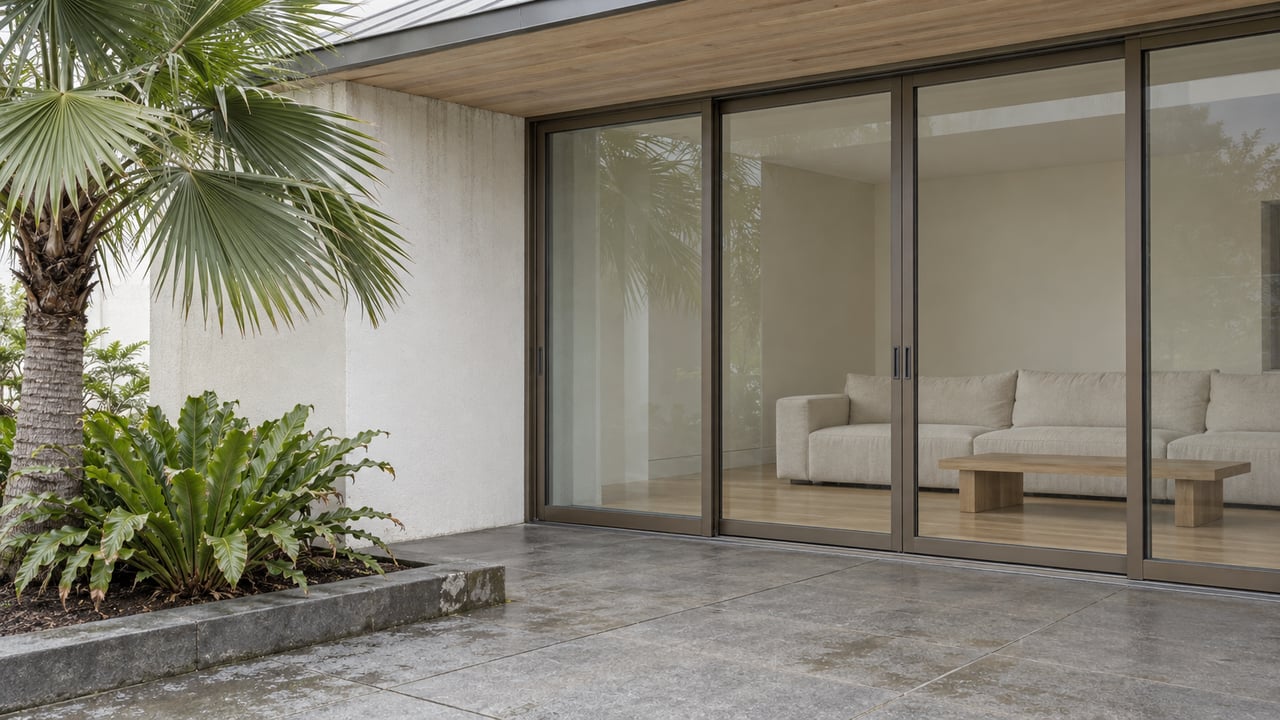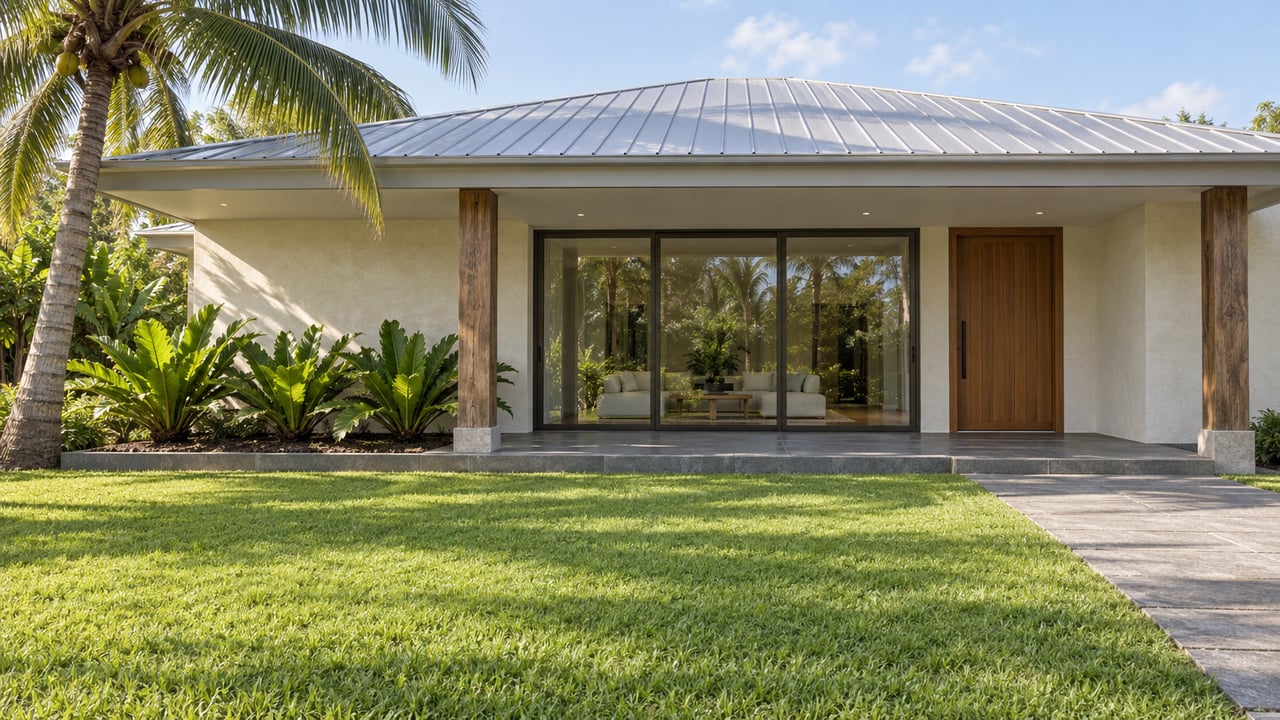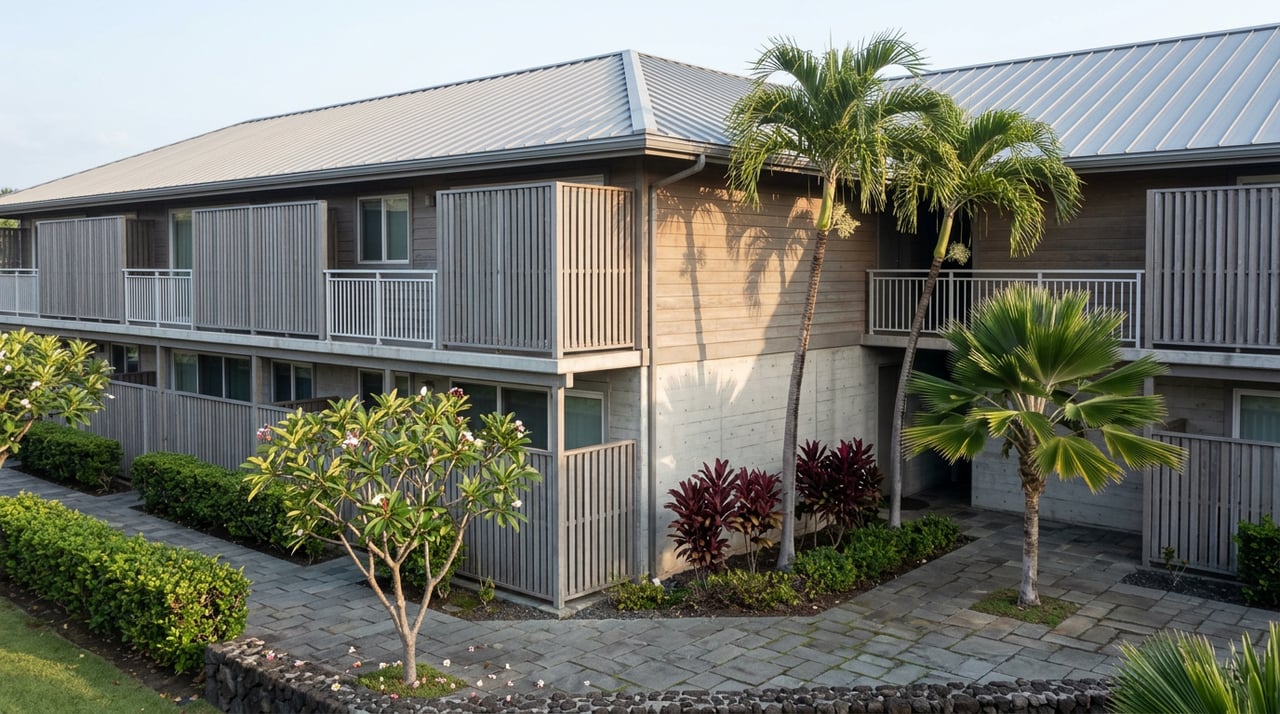
A buyer looking at Kapa'a condos this month will find two units a few blocks apart, similar square footage, similar age, similar view of the same stretch of coast. One is listed several hundred thousand dollars above the other. Nothing about the walls or the kitchen explains it. What explains it is a piece of paper neither listing photo shows: whether that unit is legally allowed to host a paying guest for a week.
That's the mechanism hiding inside every Kapa'a median condo price you'll see quoted this fall, and it's worth understanding before you write an offer, because the premium it creates is not permanent. As StaySTRA explains, a missed renewal deadline can mean the permit is gone.
Kapa'a Is Really Two Condo Markets Filed Under One Zip Code
Kauai County treats short-term rentals as a zoning question, not a listing feature. Nightly rentals are permitted in designated Visitor Destination Areas. Kapa'a's VDA sits mostly along the Waipouli coastal strip. That's where you find Waipouli Beach Resort & Spa, Lae Nani, and Kapaa Shores, all three within walking distance of the Ke Ala Hele Makalae, the coastal path that runs along the East Side and gives these complexes their bike-and-beach access. Kauai Kailani, a bit further along the same strip, is another rental condo complex.
Step outside that ring, into Kapaa Town proper or up toward the Homesteads, and a condo can look nearly identical on a spec sheet and simply not be allowed to do what a Waipouli unit does. The only way a non-VDA property in Kapa'a can legally operate as a short-term rental is if it holds a Non-Conforming Use permit issued before March 30, 2009. No new ones have been issued since. That date isn't a policy detail buried in a code section. It's the line that decided, permanently, which non-resort properties in Kapa'a would ever be allowed to earn nightly income and which would not.
So when a portal shows you a single median condo price for Kapa'a, it's averaging two products that behave nothing alike: a rental-eligible unit whose value includes a legal income stream, and an otherwise identical unit whose value is just the unit.
The Permit That Can Disappear on a Wednesday
Here's the part that actually matters for someone about to buy into that Waipouli premium. The right to operate a Transient Vacation Rental on Kauai comes up for renewal every year.
The county's policy on missed renewals has no bend in it. Miss your annual TVR renewal deadline by even one business day and the permit is gone for good. No grace period. No reapplication. No appeal. The renewal has to go out by certified mail, return receipt requested, at least two months before the due date, addressed to the Planning Department at 4444 Rice Street, Suite A473, Lihue. The county does not send you a reminder. It's entirely on the owner.
One missed deadline, regardless of the reason, and your permit is gone.
Think about what that means for the price gap you're paying for. A chunk of what separates a $900,000 Waipouli condo from a $600,000 Kapaa Town condo isn't square footage or finishes. It's a revocable license that has to be perfectly maintained, indefinitely, by someone who may not even be the person selling it to you. Buy the unit and inherit a lapsed permit, and you've paid a rental-eligible price for a property that can no longer legally rent.
What the Q2 2026 Numbers Are Actually Showing You
The county-level data for the second quarter of 2026 puts real weight behind this split. Kapaa/Kawaihau recorded 32 single-family home sales in that quarter, the most of any district on the island, with a median sales price of $1,025,000. Condominium activity in the same district saw 12 sales at a median of $574,500. Vacant land moved too: 9 parcels, median $615,000.
Redfin's trailing three months through June 2026 tell a slightly different but related story: Kapa'a home prices sat at a $915,000 median, up 10.2% year over year, with price per square foot up nearly 26% over the same period. Homes were also moving faster, an average of 80 days on market compared to 93 a year earlier, with 20 homes sold in June 2026 against 13 the year before.
Neither number set separates VDA-eligible condos from everything else, which is exactly the point. A $574,500 district-wide condo median sitting next to a run of Waipouli listings priced well above that tells you the eligible units are pulling the median up while non-eligible units in Kapaa Town are pulling it back down. If you're shopping strictly off the median, you're not comparing like to like. You're comparing a blended number to a specific unit that sits on one side of a zoning line or the other.
Two Premiums Get Stacked at Waipouli, and Buyers Often Pay for Both Without Separating Them
There's a second layer worth untangling here, because it's easy to credit the wrong thing for the price. Waipouli's condos carry a location premium for sitting on the coastal path and near the beach, and they carry a separate zoning premium for being legally rentable. Those two premiums happen to live in the same buildings, which makes them feel like one thing. They aren't.
A buyer who wants a walkable, oceanfront lifestyle property for personal use is paying for the first premium and doesn't need the second. A buyer counting on nightly rental income to offset the mortgage is paying for both, and only one of them is guaranteed to survive a missed renewal letter. Knowing which premium you're actually buying changes how you underwrite the deal, and it changes what due diligence actually protects your investment.
What This Means Before You Write an Offer
If a Kapa'a condo's price reflects short-term rental eligibility, that eligibility is worth confirming independently before it factors into your offer, not after. A few things worth checking with the County Planning Department directly rather than taking a listing's word for it:
- Whether the specific unit sits inside the designated VDA or is relying on a grandfathered NCU permit predating March 30, 2009
- The current renewal status and date of the existing TVR permit, not just its historical existence
- Whether the HOA or condo association itself places any further restriction on nightly rentals beyond what the county allows, since a VDA location does not automatically make every unit inside it eligible
None of this shows up in a standard comparable sales pull. It shows up in county records and in the seller's actual paperwork.
Frequently Asked Questions
Does a condo's location inside Kapa'a's VDA guarantee it can be rented nightly? No. Being inside the Visitor Destination Area is necessary but not automatically sufficient. Some HOAs and condo associations layer their own restrictions on top of county zoning, so the unit and the association both need to be checked.
What should I check before buying a condo with an existing TVR permit? As the buyer, you and your agent should confirm the permit's current standing rather than rely on the assumption that a rental history means a valid, continuing license.
Kapa'a's affordability compared to the North Shore is real, and so is the income potential inside its narrow rental-eligible strip. The number worth carrying into a showing isn't the district median. It's the question of which side of the VDA line, and which side of a renewal deadline, the specific unit sits on.
If you're weighing a Kapa'a condo against options elsewhere on Kauai, or want a second set of eyes on a unit's actual TVR status before you write an offer, Rice – Perdue can walk through the specifics with you. Request a confidential consultation to talk through what a given property's permit history actually means for your plans.
This article is general information, not legal, tax or financial advice. Consult a qualified professional about your situation.