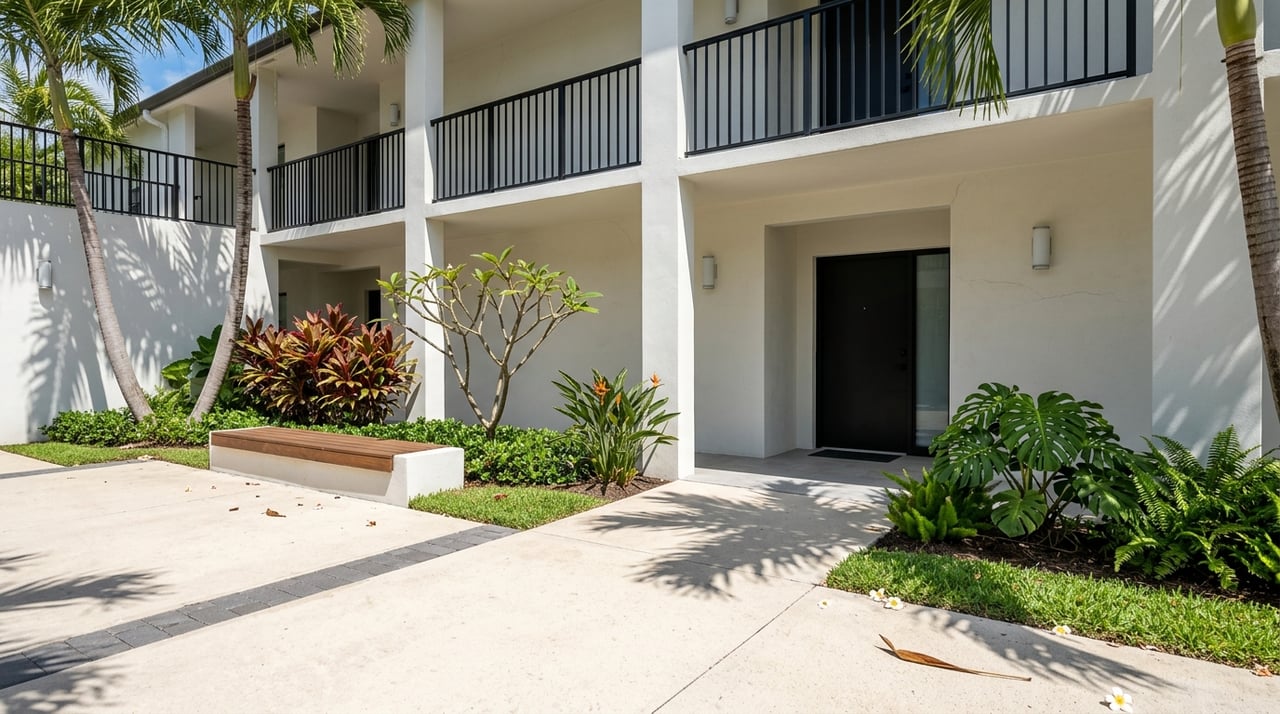
If you picture a second home on Kauaʻi, you might imagine a stand-alone house with endless upkeep. In Kapaʻa, resort condo living offers a different path. You get a central east-side base, shared amenities, and a setup that can feel much easier to lock, leave, and enjoy. If you are exploring a second home in 96746, this guide will help you understand how resort condos in Kapaʻa typically work, what to verify before you buy, and why this part of Kauaʻi appeals to many off-island owners. Let’s dive in.
Why Kapaʻa works for second-home owners
Kapaʻa sits on Kauaʻi’s east shore in the Royal Coconut Coast corridor. According to the County of Kauaʻi destination management plan, Kapaʻa is one of the island’s three main visitor destination areas. That matters because it places the area within one of Kauaʻi’s core visitor-oriented zones rather than a purely residential setting.
For many second-home buyers, the biggest draw is convenience. Go Hawaii’s Kapaʻa Town overview highlights local shopping at Kinipopo Shopping Village, Wailua Shopping Plaza, and Coconut Marketplace. The east side also offers practical access around the island, and Waipouli Beach Resort notes it is less than 10 miles from Līhuʻe Airport.
Kapaʻa also supports an active, low-maintenance lifestyle. Ke Ala Hele Makālae is an 8-mile paved coastal trail for walking, jogging, and biking, with access at Waipouli Beach Park and Kapaʻa Beach Park. Because the trail is relatively flat and separate from the highway, it adds easy day-to-day recreation without requiring much planning.
What resort condo living looks like
In Kapaʻa, resort condos are often designed for efficiency and repeat use. That means you will usually see compact layouts, practical storage, and amenities that make arrivals and departures simple. For second-home owners, that can be a major advantage over a property that requires more hands-on setup each time you visit.
Published floor plans show a wide range of unit sizes. The Waipouli Beach Resort fact sheet lists a 395-square-foot studio, 898-square-foot one-bedroom units, and two-bedroom units from 1,279 to 1,853 square feet. The same source notes full kitchens and in-unit washer and dryer setups in the one- and two-bedroom residences.
Nearby examples show similar variety. Pono Kai publishes a mini-suite of about 450 square feet, a one-bedroom of about 740 square feet, a one-bedroom loft of about 1,100 square feet, and two-bedroom and two-bedroom loft layouts that can sleep up to eight. Pono Kai also notes that floor plan images are samples, and furnishings and views may differ from one unit to another.
Features that support lock-and-leave ownership
A good second home should feel easy to use. In Kapaʻa resort condos, that often starts with practical in-unit features like private lanais, full kitchens, and laundry options. These details can make longer stays more comfortable while keeping your home ready for future visits.
Shared services are another major part of the value. Pono Kai lists a 24-hour front desk, security, guest activities desk, pool, jacuzzi, tennis, sauna, barbecue facilities, laundry, and landscaped grounds. Waipouli lists a front desk, activities concierge, fitness room, pool complex, restaurant, security guard, and 24-hour security patrol.
Other east-side resort properties show the same general pattern. At Kauai Coast Resort at the Beachboy, amenities include oceanfront suites, an activities program, a pool bar, an oceanfront hot tub, spa services, fire pits, hammocks, and barbecue grills. For an off-island owner, these types of services can reduce the amount of day-to-day oversight you may otherwise need.
Kapaʻa lifestyle benefits on the east side
Second-home ownership is not only about the unit itself. It is also about how easily the location fits your time on island. Kapaʻa’s mix of shopping, beach access, and transportation convenience gives many buyers a practical home base for both short visits and extended stays.
Because Kapaʻa is on the east side, it can feel well-positioned for exploring different parts of Kauaʻi. Waipouli Beach Resort states that the property is close to both the north and south shores, which supports island-wide travel. If you want a base that makes coming and going simpler, that centrality can be appealing.
The oceanfront trail adds another lifestyle layer. You can step out for a walk, jog, or bike ride without loading up the car or mapping out a long excursion. For many second-home owners, that kind of easy routine is part of what makes resort condo ownership feel effortless.
Understand the ownership structure first
Not every resort condo in Kapaʻa operates the same way. This is one of the most important things to understand before you buy. The phrase “resort condo” can describe different legal and operational models, and those differences may affect how you use the property.
For example, Pono Kai’s website references an apartment owners association, an interval owners association, and a time-share owners association. Club-managed properties also exist on the east side. In practical terms, you will want to verify the exact deed type, association structure, house rules, and any rental restrictions tied to the specific unit you are considering.
This is especially important if you expect a standard condominium ownership pattern. A resort setting does not automatically mean every unit has the same usage rights. Reviewing association documents carefully can help you avoid assumptions that create problems later.
Rental income rules need careful review
Many second-home buyers ask the same question early in the process: can I rent it out when I am not using it? In Kapaʻa, the answer is not automatic. Even though the area is highly relevant to visitor use, buyers still need property-specific verification.
The County of Kauaʻi destination management plan identifies Kapaʻa as one of the island’s three main visitor destination areas, and the county planning framework states that short-term rental use under 180 days is not permitted outside the VDA. That makes VDA status highly relevant, but it does not replace a review of the actual property, permit status, and association rules.
The county also notes on its TVR guidance that when a TVR property changes hands, sellers should provide the existing permit file, current renewal application, and renewal letter. If rental income is part of your ownership plan, these records are important. Before you count on nightly or short-term rental use, confirm the permit file, confirm the governing documents, and make sure the unit’s current status matches your intended use.
Know the Hawaii tax side of renting
If you plan to generate rental income, taxes should be part of your due diligence from the start. According to the Hawaiʻi Department of Taxation rental guidance, rental income from Hawaiʻi real property is taxable. Short-term rentals are also subject to both the general excise tax and the transient accommodations tax.
The same state guidance says owners remain responsible even if a property manager collects rent on their behalf. It also states that the state transient accommodations tax rate increases to 11% effective January 1, 2026. Kauaʻi County’s transient accommodations tax page adds that the county rate is 3% on taxable lodging.
For second-home buyers, the takeaway is simple. If you are evaluating rental income to offset ownership costs, professional tax and legal review is essential. It helps you understand the real carrying costs before you commit.
Who Kapaʻa resort condos fit best
Kapaʻa resort condos tend to appeal to buyers who want convenience, shared amenities, and a more flexible second-home experience. They are often a strong match if you value a central location, easy access to shopping and recreation, and services that support lock-and-leave ownership. For some buyers, that balance feels more practical than a stand-alone home that may require more frequent attention.
They may be less ideal if your priority is a traditional single-family-home setting with greater separation from resort activity. Resort condo living is usually more about association oversight, shared common areas, and operational rules. That is not a drawback for the right buyer, but it is important to understand the lifestyle clearly.
When you approach the search with the right expectations, Kapaʻa can be a compelling option for a second home on Kauaʻi. If you want help evaluating resort condos, ownership structures, and property-specific use questions, Donna Rice offers discreet, high-touch guidance for buyers across Kauaʻi.
FAQs
Is Kapaʻa a good location for a second home on Kauaʻi?
- Kapaʻa offers a central east-side location, access to shopping, proximity to Līhuʻe Airport, and the oceanfront Ke Ala Hele Makālae trail, which can make it a practical base for part-time owners.
Are Kapaʻa resort condos large enough for extended stays?
- Unit sizes vary widely, from studios and mini-suites to larger one-bedroom, loft, and two-bedroom layouts, so extended-stay comfort depends on the specific floor plan you choose.
Can you rent a Kapaʻa resort condo nightly?
- Not automatically. You need to confirm the property’s visitor destination area status, permit records, deed type, and HOA or association rules before assuming nightly or short-term rental use is allowed.
What amenities do Kapaʻa resort condos usually include?
- Common amenities may include front desk services, security, pools, fitness areas, tennis, barbecue areas, laundry facilities, beach access, and activity support, depending on the property.
What should second-home buyers verify before buying a Kapaʻa resort condo?
- You should verify the deed type, association documents, ownership structure, rental rights, permit file if applicable, and the tax implications of any planned rental activity.