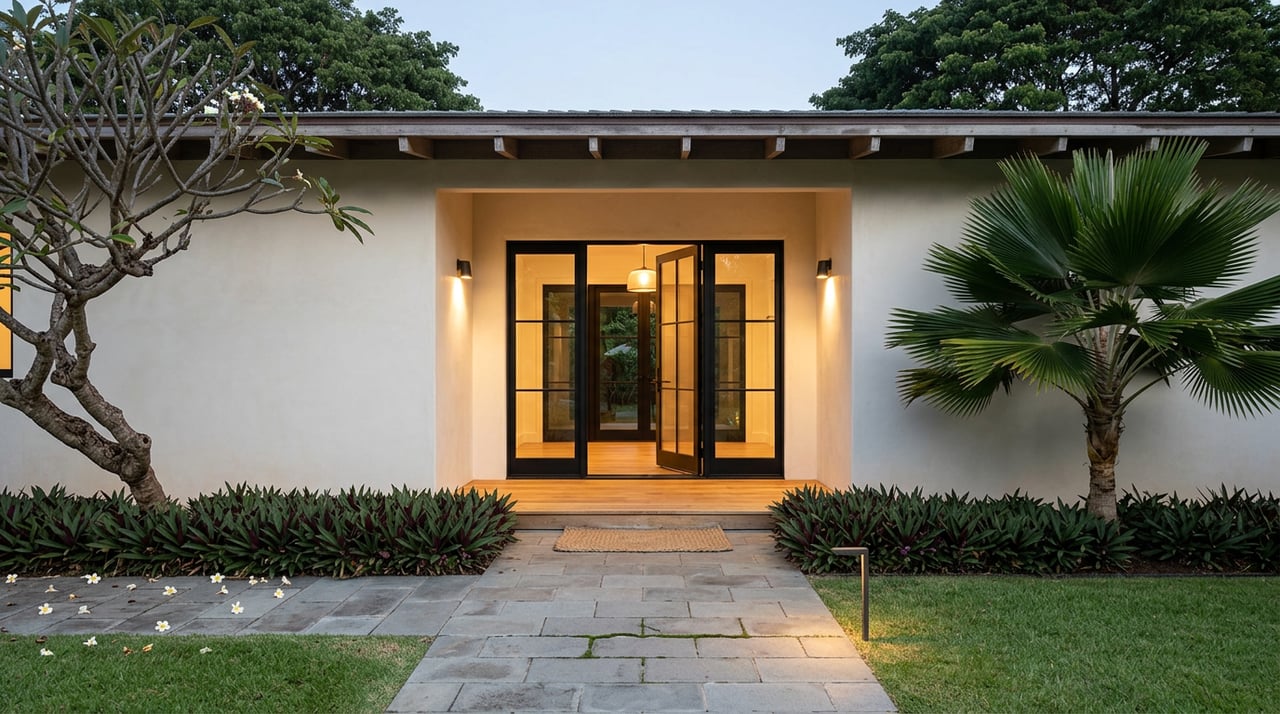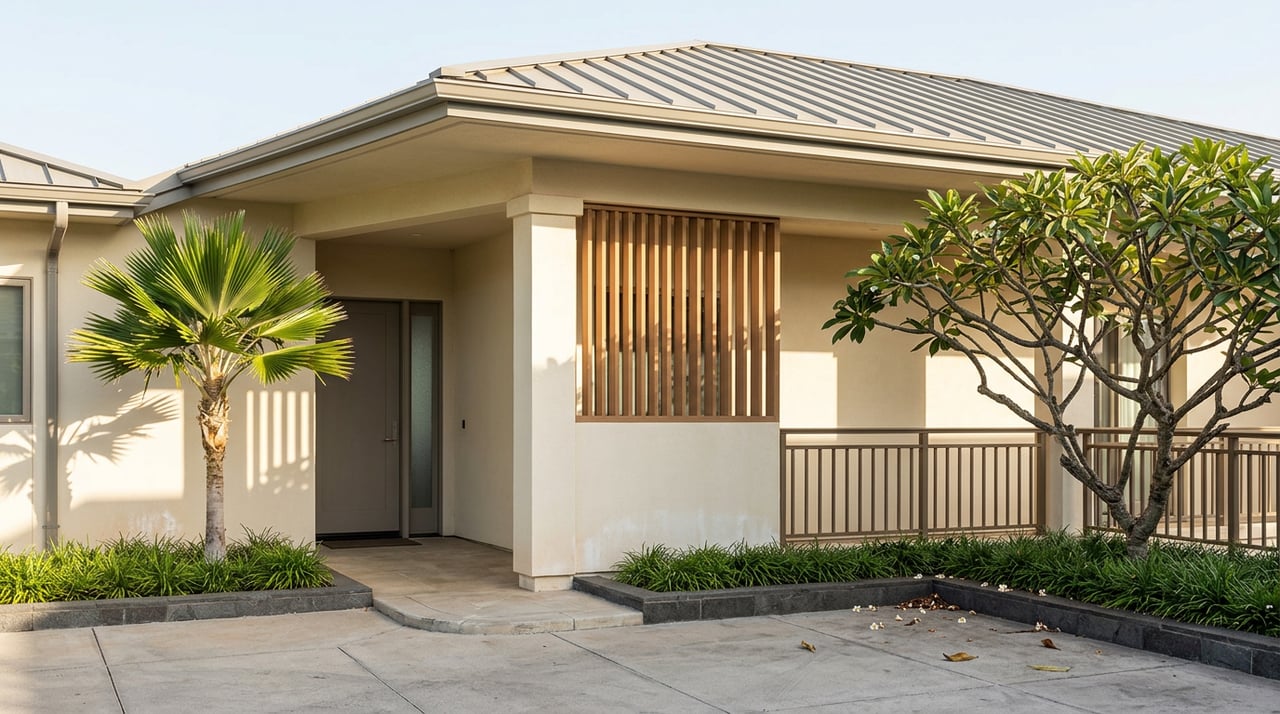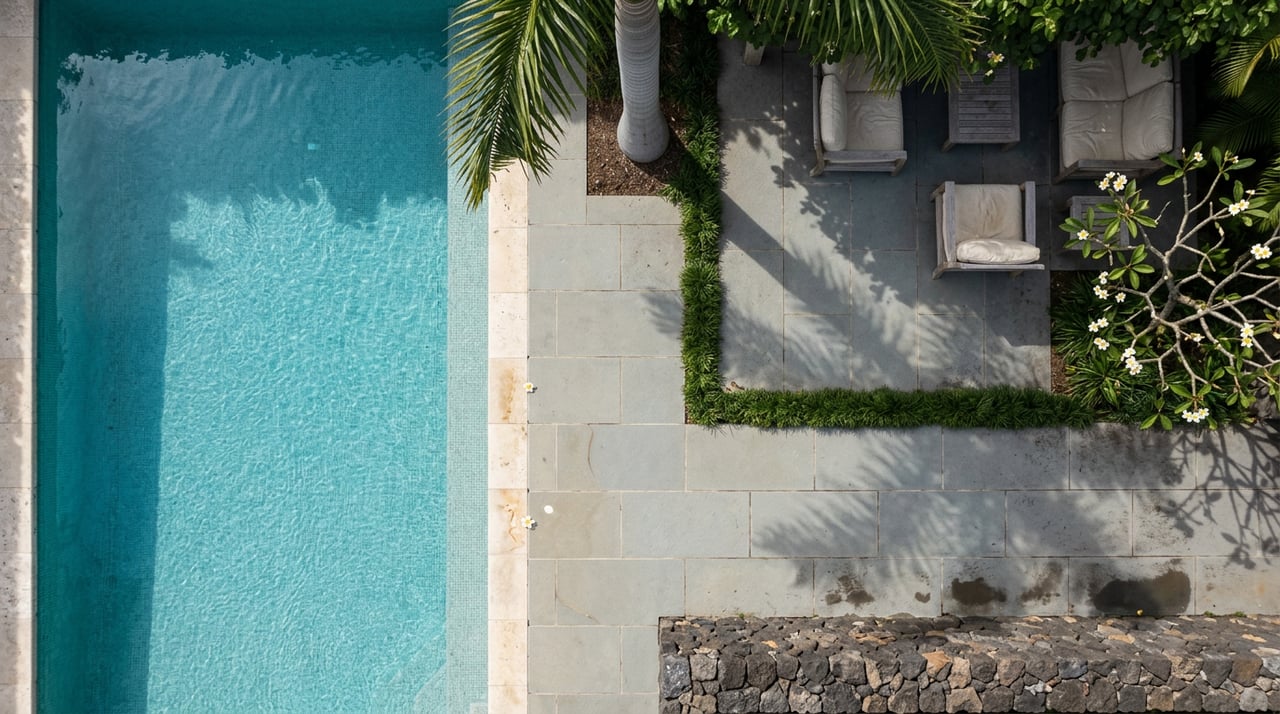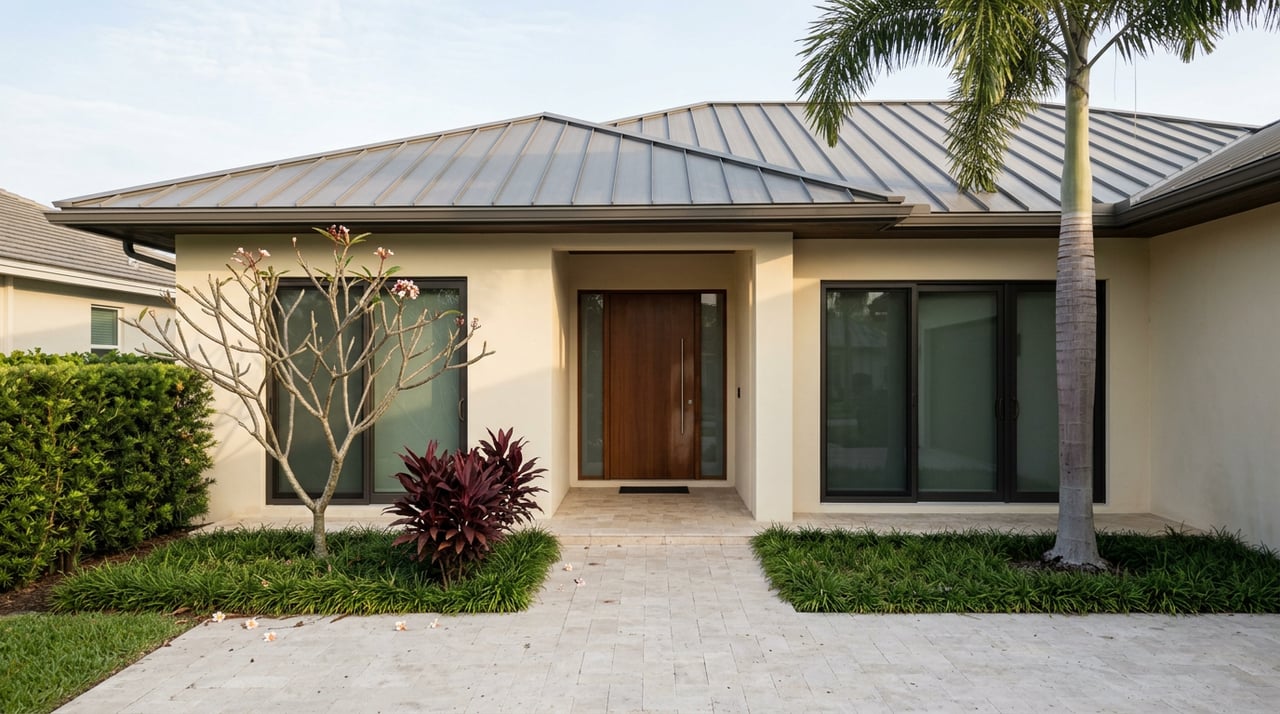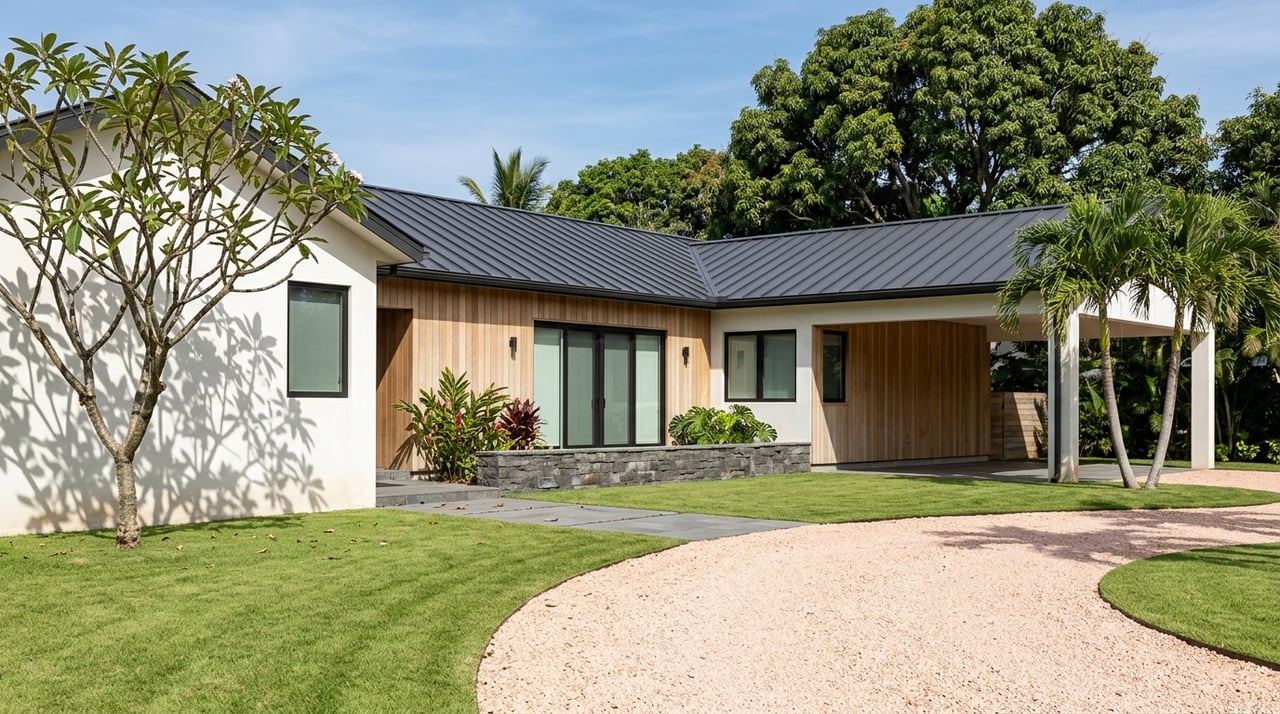
If you are drawn to Kauaʻi’s North Shore but want more room to breathe, Kīlauea often stands out for exactly that reason. It offers a rare mix of open land, dramatic shoreline scenery, and a small-town rhythm that feels quieter than a resort zone but still connected to daily essentials. If you are weighing a move, a second home, or a long-term investment here, understanding how the area actually lives day to day matters. Let’s dive in.
Kīlauea at a glance
Kīlauea is a small North Shore community with a population of 3,014, according to the Census Bureau’s 2020 TIGER data. Kauaʻi County places it within the North Shore district and describes Kīlauea Town as a desirable residential community where future uses should remain compatible with existing town character.
That planning language helps explain why Kīlauea feels distinct. You are not stepping into a dense suburban environment. Instead, you are entering a place where rural land patterns, modest town services, and a preserved coastal edge all shape the lifestyle.
Country estates shape the landscape
One of the clearest features of Kīlauea is its large-lot residential pattern. Kauaʻi County’s planning framework notes that agricultural communities are typically large-lot residential areas, and that at least 90% of dwellings in the Agriculture district are primarily single-family residences, with zoning intended to preserve open agricultural land as part of Kauaʻi’s rural character.
In practical terms, that means many buyers are not just shopping for square footage. They are also looking at acreage, privacy, open-space views, and separation from neighboring homes. In Kīlauea, the land often plays as large a role in value and lifestyle as the residence itself.
What property types are common?
Kīlauea’s housing mix is best understood as a blend of:
- Agricultural house-lots
- Rural residential subdivisions
- A smaller number of coastal estate-style enclaves
County planning documents note there is substantial capacity for additional housing in agricultural subdivisions stretching from Kalihiwai to Waipake and beyond, while there is little vacant urban residential land in the town core. That contrast reinforces a key point for buyers: Kīlauea is still largely defined by lower-density living rather than town-center expansion.
A county planning packet describing Seacliff Plantation near Kīlauea Point offers a useful example of this pattern, with 48 building sites ranging from 3 to 10 acres in a gated setting on former plantation land. Even if you are not focused on one specific subdivision, that example shows why the area is so often associated with estate parcels, privacy, and ocean-view potential.
Coastal bluffs define the experience
Kīlauea’s inland openness is only half the story. The other half is its coastline, where preserved bluffs, sea cliffs, and ocean outlooks create some of the North Shore’s most dramatic scenery.
County planning documents specifically reference shoreline strips preserved to protect coastal bluffs and sandy beaches on former Kilauea Sugar Company lands. That planning history helps explain why the area feels both expansive and protected. The coast here is not simply a backdrop. It is a defining part of how the community looks and lives.
Kīlauea Point is the signature landmark
The best-known coastal feature is Kīlauea Point National Wildlife Refuge. The refuge sits at the northernmost point of the main Hawaiian Islands on a former volcanic vent, includes views from a 180-foot ocean bluff, and is home to one of the largest populations of nesting seabirds in Hawaiʻi. The Daniel K. Inouye Kīlauea Point Lighthouse has also stood there since 1913.
As Hawaiʻi Birding Trails notes, the lighthouse and plunging sea cliffs create a dramatic overlook above the Hawaiian Islands Humpback Whale National Marine Sanctuary. For you as a buyer, that says a lot about local lifestyle. Kīlauea’s coast is deeply scenic, but it is also tied to wildlife, conservation, and a strong sense of place.
Outdoor living is scenic, not resort-styled
If you picture everyday life in Kīlauea, outdoor access is a big part of it. The difference is that this access often feels rugged, natural, and less managed than in a resort setting.
That distinction matters. Kauaʻi County has warned about hazardous conditions on north-facing shores and specifically says Kauapea Beach, also known as Secret Beach in Kīlauea, is not lifeguarded. The county’s lifeguard list shows protected North Shore beaches are primarily located elsewhere, including Hanalei Bay, Hāʻena, and Keʻe.
So what does that mean for your lifestyle expectations? You can expect striking shoreline access and memorable views, but you should not assume every nearby beach offers supervised ocean conditions or easy swimming. Kīlauea often appeals most to buyers who value scenery, space, and nature first.
Daily life in Kīlauea Town
For a community with a rural feel, Kīlauea still offers a practical town core. You have local conveniences that support everyday living, even though the area does not function like a larger retail hub.
Kilauea Market + Café serves as a full-service grocery and casual dining stop, while Kauaʻi Food Hub operates at the Kilauea Community Agricultural Center and focuses on locally grown or made Hawaiʻi products and community farm boxes. Together, they reflect a daily rhythm centered on local food, familiar businesses, and small-scale convenience.
Parks and community spaces
Community life also has a strong neighborhood feel. The County lists Kilauea Ball Field on Keneke Street with a grassed sports area and youth activity area, and the County identifies Kilauea Park as a 4.93-acre neighborhood park with playground equipment, a lighted softball field, and a comfort station.
The area also includes Anaina Hou’s Saturday farmers market with more than 30 vendors, adding to the sense that local gathering spaces matter here. Rather than depending on large commercial centers, many day-to-day routines are built around parks, markets, and familiar stops in town.
A quieter lifestyle with tradeoffs
Every lifestyle choice comes with tradeoffs, and Kīlauea is no exception. The same county planning documents that highlight its rural character also say agricultural communities generally do not have convenient access to County facilities and may not receive the full range of services available in towns and urban centers.
For many buyers, that is part of the appeal. You may gain privacy, land, and a quieter setting, while accepting that some services, appointments, or specialty errands require more driving. If you are considering Kīlauea, it helps to view convenience through a North Shore lens rather than a city one.
Kīlauea is evolving
Although Kīlauea feels rural today, it is not frozen in time. In February 2026, the County said the Kilauea Town Expansion project is planned to deliver about 350 affordable rental and for-sale homes, along with parks, commercial space, and future County services. The County has also said the project is intended to blend with historic Kīlauea Town.
For buyers and owners, that future matters. It suggests Kīlauea is likely to remain rooted in its existing character while gradually adding more town-center housing and services over time. That combination of established rural identity and measured growth is part of what makes the area worth watching.
Who Kīlauea tends to suit
Kīlauea often resonates with buyers who want a North Shore home base that feels more private and land-oriented. If you are looking for acreage, a lower-density setting, coastal views, or a residence that feels tucked into the landscape, this area may align well with your goals.
It can also appeal to second-home buyers who want a more understated North Shore experience. Instead of prioritizing resort activity at your doorstep, you may be prioritizing open space, scenic drives, and a setting that feels grounded in the island’s rural and coastal geography.
Why local guidance matters here
Kīlauea can look simple at first glance, but its appeal is nuanced. Property value may be tied not only to the home itself, but also to parcel size, privacy, agricultural context, proximity to town, and relationship to the coastline.
That is where experienced local guidance makes a difference. If you are evaluating Kīlauea as a primary residence, second home, or investment on Kauaʻi’s North Shore, working with a team that understands both the lifestyle and the fine details can help you move with more clarity and confidence. When you are ready to explore your options, Donna Rice can help you navigate Kīlauea with discretion, local insight, and personalized support.
FAQs
What is the overall lifestyle in Kīlauea, Kauaʻi?
- Kīlauea offers a rural North Shore lifestyle shaped by large-lot living, open land, a small town core, and dramatic coastal scenery.
What types of homes are common in Kīlauea?
- Common property types include agricultural house-lots, rural residential properties, and a smaller number of coastal estate-style enclaves.
What makes Kīlauea’s coastline distinctive?
- Kīlauea’s coastline is known for preserved bluffs, sea cliffs, and landmarks like Kīlauea Point National Wildlife Refuge and its historic lighthouse.
What amenities are available in Kīlauea Town?
- Kīlauea Town offers daily conveniences such as a grocery and café, local food access, parks, sports fields, and community gathering spaces like farmers markets.
What is an important tradeoff of living in Kīlauea?
- A key tradeoff is that rural agricultural communities may have less convenient access to some County facilities and services than more urban parts of Kauaʻi.
Is Kīlauea changing in the future?
- Yes. The County has announced the planned Kilauea Town Expansion project, which is expected to add affordable housing, parks, commercial space, and future County services while blending with the town’s historic character.