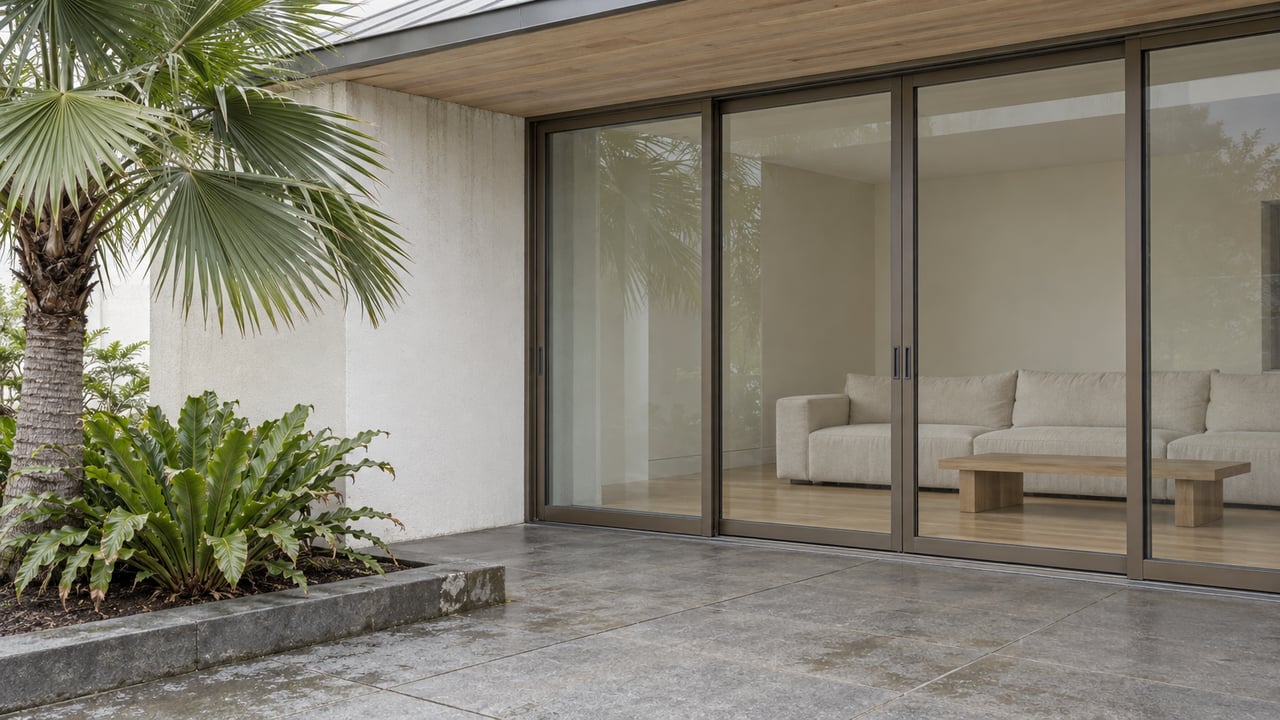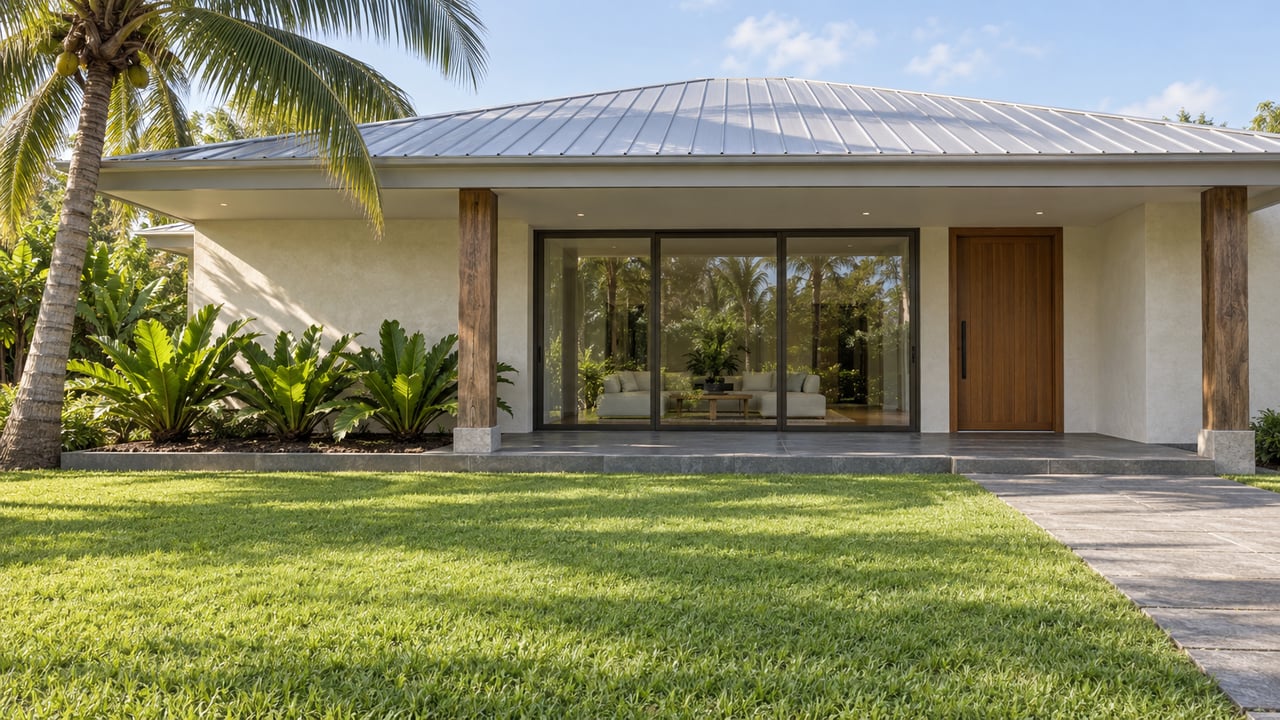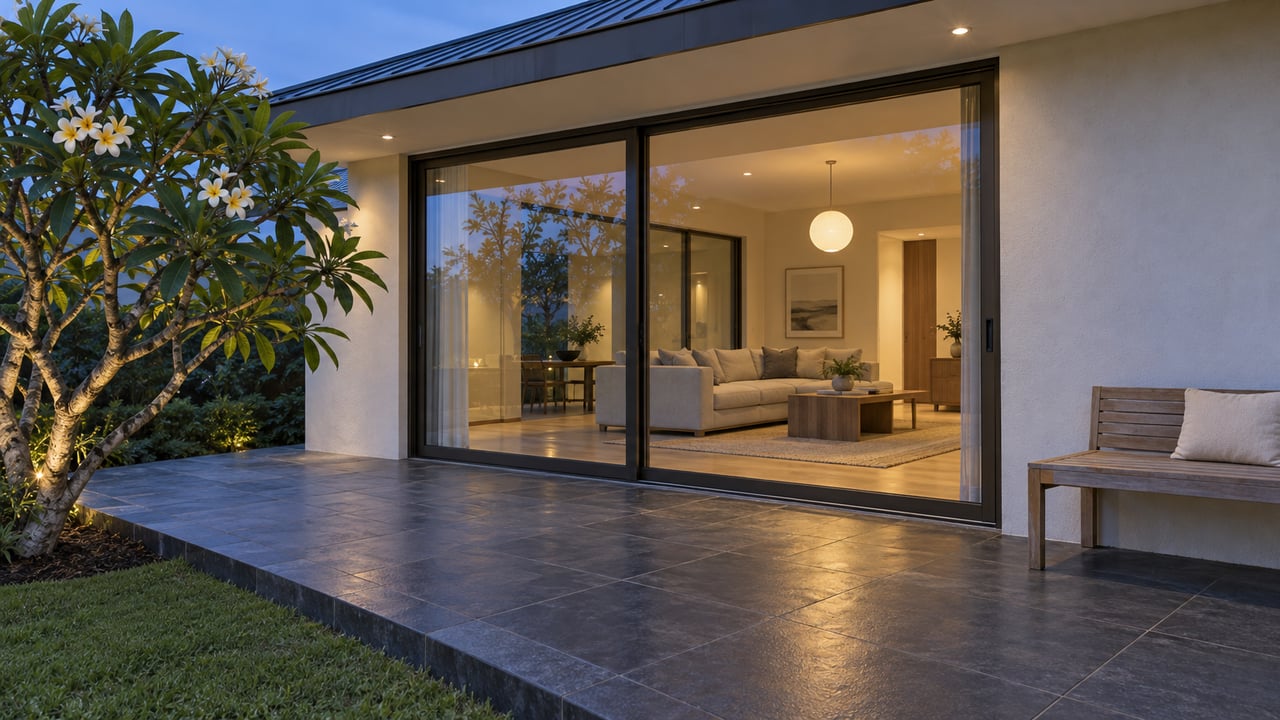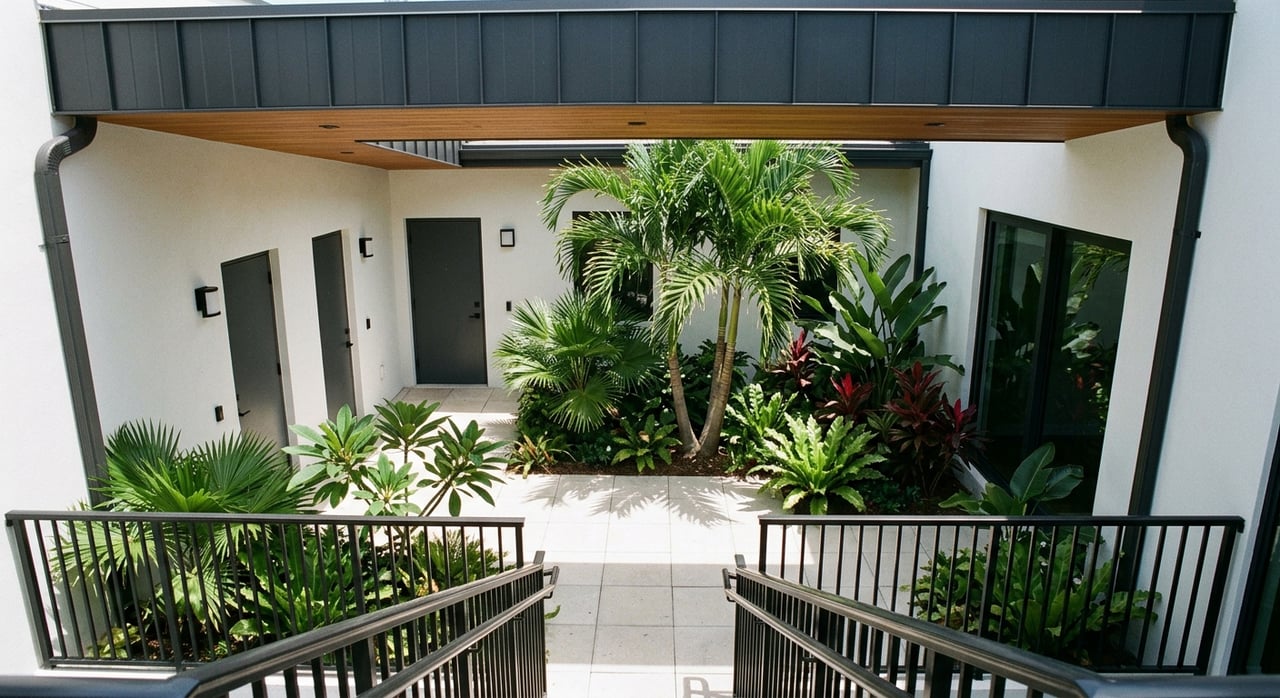
If you are deciding between a condo and a single-family home in Lihue, the choice may feel more complex than it first appears. In a market where prices can be close and carrying costs matter, the better fit often comes down to how you want to live, what level of upkeep you want to handle, and how you plan to use the property. This guide will help you compare the real tradeoffs in Lihue so you can make a more confident decision. Let’s dive in.
Why Lihue Appeals to Buyers
Lihue is a practical hub on Kauai. Lihue Airport serves as the island’s primary airport, Wilcox Medical Center is located in Lihue, and county planning and real property offices are based on Rice Street.
For many buyers, that access matters just as much as the home itself. If you want to stay close to transportation, health care, and county services, Lihue offers day-to-day convenience that can be hard to match elsewhere on the island.
Start With the True Cost of Ownership
In Lihue, the price tag is only the starting point. Census QuickFacts shows a median value of owner-occupied housing units at $878,500, median monthly owner costs with a mortgage at $3,111, and median gross rent at $1,956.
That means your monthly budget deserves just as much attention as your purchase budget. A condo may look appealing for ease of ownership, while a single-family home may offer more control, but either option can become more or less affordable depending on taxes, dues, and maintenance.
Kauai Condo and Home Prices Can Be Closer Than Expected
Recent island-wide numbers reinforce that point. The Kauai Board of REALTORS reported January 2026 median sales prices of $987,500 for single-family homes and $965,000 for condominiums, with median days on market of 100 and 105 respectively.
In other words, you should not assume a condo will come with a major discount compared with a detached home. In many cases, the smarter comparison is total monthly and annual cost, not just list price.
When a Lihue Condo Makes Sense
A condo can be a strong fit if you want a simpler ownership experience. For many buyers, the appeal comes from a smaller maintenance footprint, a lock-and-leave setup, and a location close to Lihue’s main service and transportation areas.
This can be especially helpful if you split time between Kauai and the mainland, travel often, or simply prefer a more streamlined property to manage. A condo can offer a more predictable routine because many common expenses and maintenance responsibilities are handled through the association.
Condo Ownership Means Shared Rules and Shared Costs
That convenience comes with structure. Hawaii’s condominium guidance explains that condo associations are self-governing, monthly fees are assessed to owners, and unpaid charges can lead to collection action.
You will also want to look closely at the association’s financial health. The Hawaii Condo Living Guide highlights the importance of reviewing governing documents, budgeting, reserve funding, maintenance fees, special assessments, insurance, and water-damage issues before you buy.
Key Questions to Ask About a Condo
Before you move forward with a condo in Lihue, review:
- Monthly association fees
- Reserve funding levels
- Any recent or pending special assessments
- Insurance coverage
- Rental rules
- The declaration and bylaws
- Overall budget and financial statements
These details help you understand whether the property fits your budget over time, not just on closing day.
When a Single-Family Home Makes Sense
A single-family home may be the better fit if you want more privacy, more outdoor space, and greater control over the property. For some buyers, that flexibility is the deciding factor.
You may want room for landscaping, more separation from neighbors, or the ability to manage maintenance and upgrades on your own schedule. In that case, a detached home can offer a different kind of value, even if it asks more of you as an owner.
More Control Also Means More Responsibility
With a house, more decisions stay in your hands. That can be a benefit, but it also means more direct responsibility for repairs, upkeep, and long-term planning.
If you are thinking about future improvements, county rules matter. Kauai’s Planning Department handles zoning, land-use permits, additional dwelling units, additional rental units, guest houses, and related matters, so parcel-specific rules can affect what you are actually allowed to do.
Property Taxes Can Change the Math
One of the biggest cost differences in Kauai is not always the property type itself. It is how the property is classified and used.
For fiscal year 2025–2026, Kauai County taxes owner-occupied residential property at $2.59 per $1,000 of net assessed value. Non-owner-occupied residential property is taxed at higher tiered rates of $5.45, $6.05, or $9.40, and vacation rental property is taxed at $11.30, $11.75, or $12.20 depending on tier.
Why Use Matters So Much
The same condo or single-family home can carry very different tax bills depending on whether it is your principal residence or an income property. That makes it essential to confirm tax classification early in your due diligence.
Owner-occupied properties may also qualify for a home exemption and, if county criteria are met, a 3% assessment cap. Kauai County says home-exemption claims are due by September 30 before the tax year, and owners should notify the Real Property Division when property use changes.
Think About Your Lifestyle First
For many buyers, the condo-versus-house decision comes down to predictability versus control. A condo often bundles more upkeep into dues and gives you a more lock-and-leave setup, while a single-family home usually gives you more freedom and more direct responsibility.
That is why your lifestyle should lead the conversation. If you want convenience, simpler day-to-day maintenance, and easier remote ownership, a condo may be the stronger fit. If you want more privacy, yard space, and flexibility, a single-family home may better match your long-term goals.
Lihue Buyers Should Look Closely at Use Rules
If you are buying a second home or considering income potential, local rules are critical. Kauai’s Planning Department administers zoning, land-use permits, transient vacation rentals, condominium property regimes, and subdivision matters.
That means the property’s address matters just as much as its marketing. What is allowed at one property may not be allowed at another, even if the homes seem similar at first glance.
Short-Term Rental Rules Matter
Kauai County states that short-term rental of a room or home for less than 180 days is not permitted outside the Visitor Destination Area. The county also advises buyers of existing transient vacation rental properties to obtain the complete TVR file, renewal application, and planning letter, and it maintains lists of approved homestays and non-conforming TVRs by TMK.
If rental flexibility matters to you, this should be verified before you make an offer. It is one of the most important steps in understanding the real value and permitted use of a property.
A Simple Way to Decide
If you are torn between the two, start with a few practical questions:
- Do you want lower day-to-day maintenance?
- Do you prefer a lock-and-leave property?
- Do you want more privacy or outdoor space?
- Are you comfortable with association rules and fees?
- Will this be your primary home, second home, or income property?
- Do you plan to change, expand, or rent the property in the future?
Your answers will usually point you in the right direction. In Lihue, the best choice is rarely about property type alone. It is about how ownership will feel month after month and whether the property supports your intended use.
The Bottom Line for Lihue Buyers
Choosing between a Lihue condo and a single-family home is not simply a matter of size or style. It is a decision about budget, maintenance, control, tax treatment, and permitted use.
A condo may be the better match if you value convenience, shared maintenance, and easier lock-and-leave living. A single-family home may be the better choice if you want privacy, yard space, and more direct control. In either case, the smartest move is careful due diligence on taxes, association documents, and county use rules before you commit.
If you want clear guidance on how a specific Lihue property fits your goals, Donna Rice can help you evaluate the details with local insight and a discreet, concierge-level approach.
FAQs
What is the main difference between buying a condo and a single-family home in Lihue?
- A condo usually offers lower day-to-day maintenance and shared management through an association, while a single-family home usually offers more privacy, more outdoor space, and more owner control.
Are condos in Lihue always cheaper than single-family homes?
- Not necessarily. Kauai Board of REALTORS data for January 2026 showed median prices of $965,000 for condos and $987,500 for single-family homes island-wide, so the price gap may be smaller than many buyers expect.
What condo documents should buyers review before purchasing in Lihue?
- Buyers should review the declaration, bylaws, budget, reserve funding, insurance coverage, rental rules, and any recent or pending special assessments.
How do property taxes work for Lihue condos and homes?
- Kauai County tax rates depend on the property’s actual use and classification, so an owner-occupied home can be taxed very differently from a non-owner-occupied or vacation rental property.
Can you use a Lihue condo or home as a short-term rental?
- That depends on the property’s location and status. Kauai County states that short-term rental of less than 180 days is not permitted outside the Visitor Destination Area, so buyers should verify rental permissions for the specific property.
What makes Lihue appealing for homebuyers on Kauai?
- Lihue offers convenient access to the island’s main airport, Wilcox Medical Center, and county offices, which makes it a practical location for buyers who value central access to services and transportation.