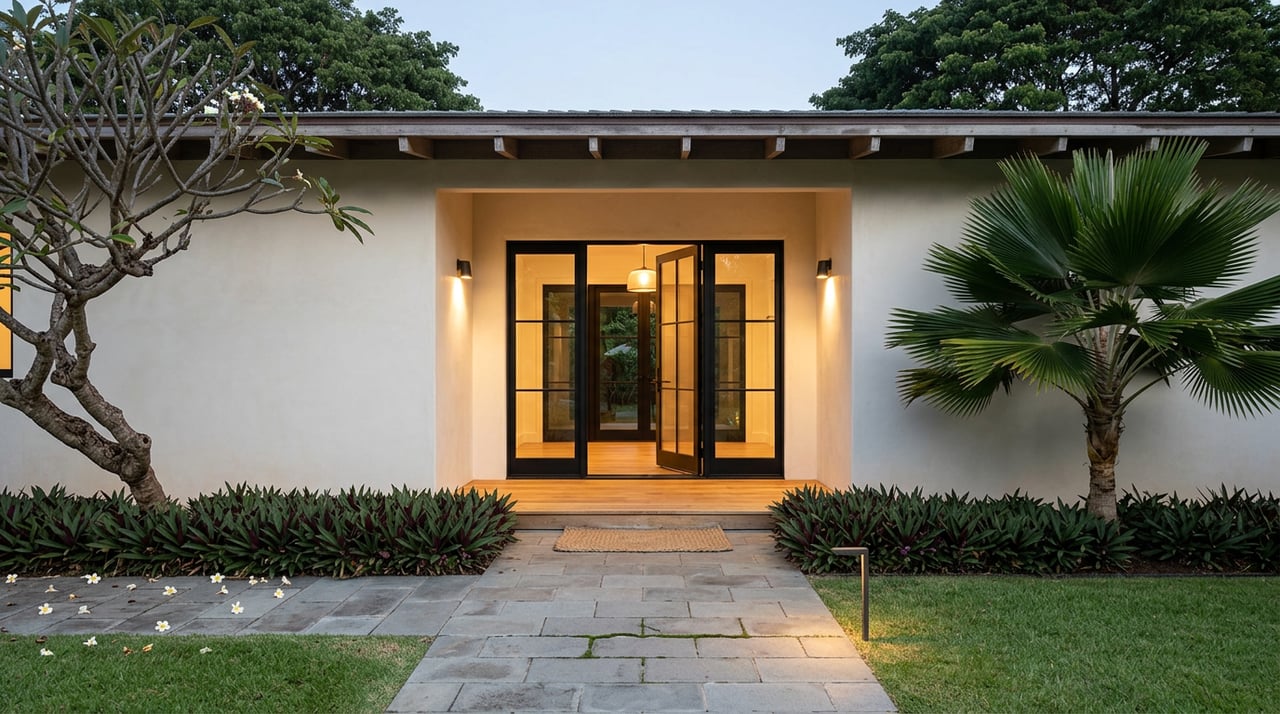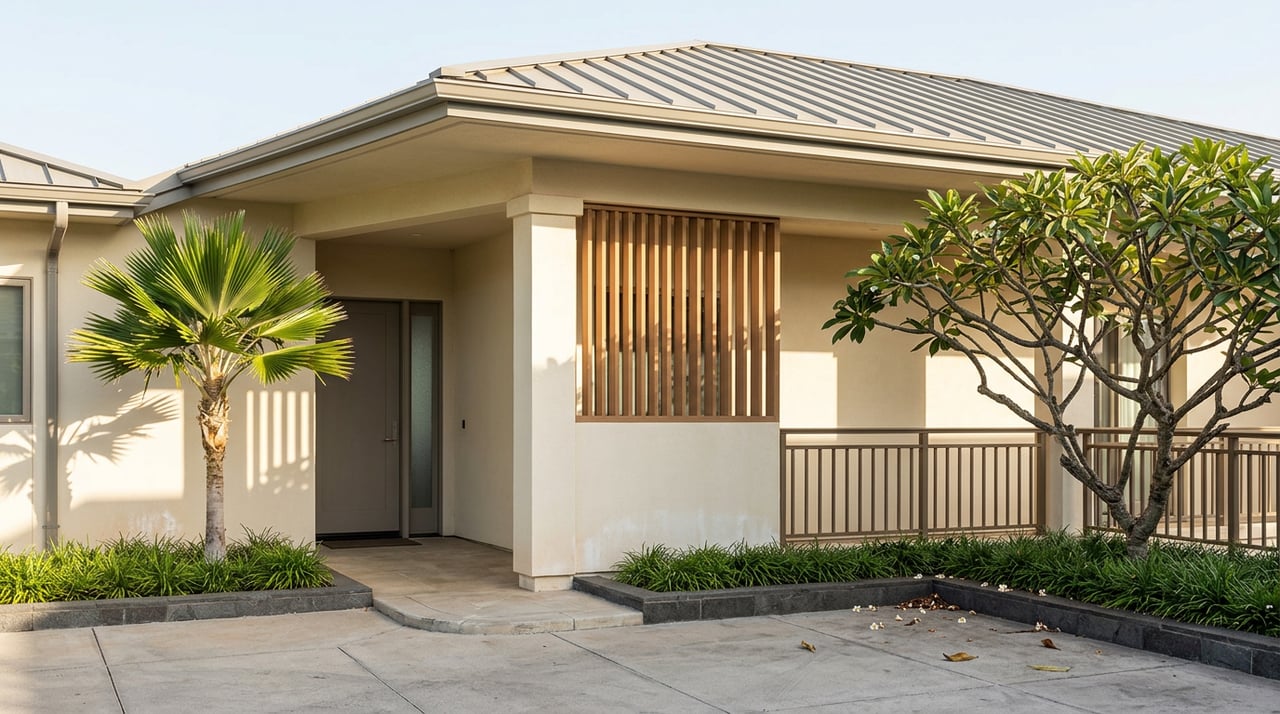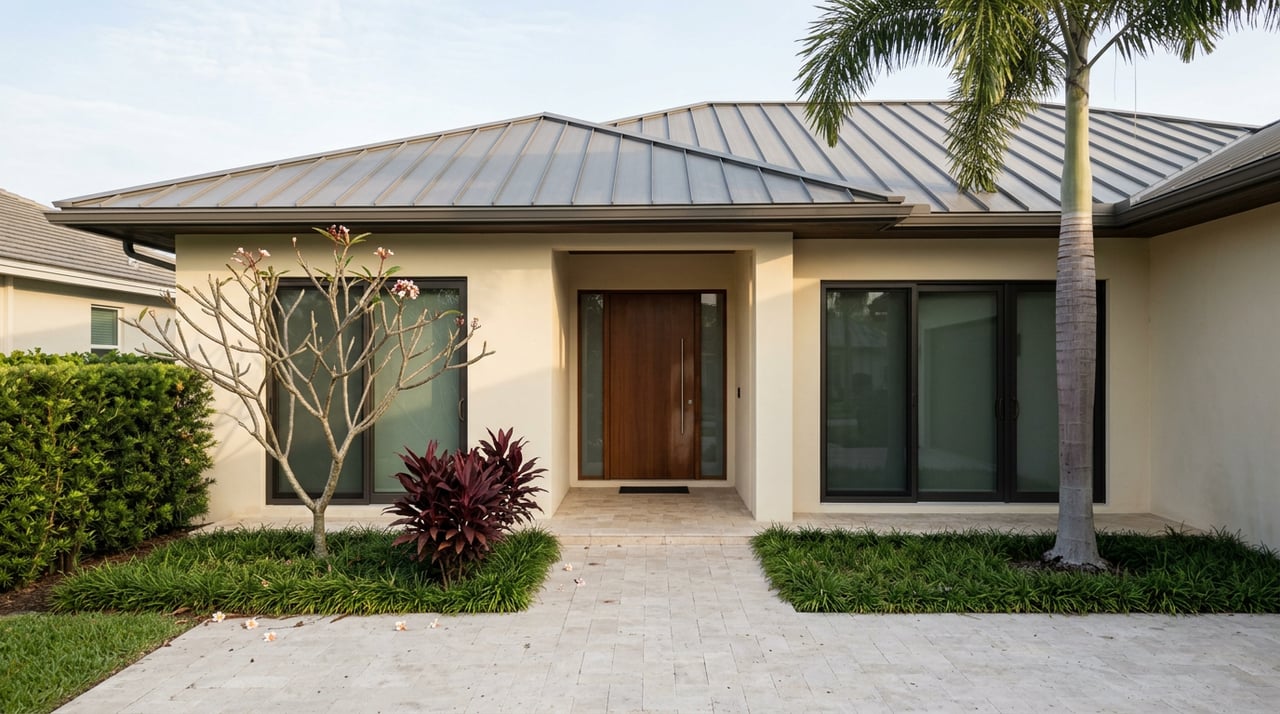
If you want to be in the middle of everyday life on Kaua‘i, Lihue deserves a close look. While many people picture the island through resort areas or quieter country settings, Lihue offers something different: practical convenience, central access, and a town-centered rhythm that can make daily life easier. If you are wondering whether that tradeoff fits your goals, this guide will help you understand what living in Lihue actually feels like. Let’s dive in.
Why Lihue Stands Out
Lihue is Kaua‘i’s county seat and the island’s main civic, business, and transportation center. County planning documents describe it as the island’s administrative, business, and transportation center, and even as Kaua‘i’s “Heart.” That identity shapes how the town functions day to day.
Instead of being built around a resort experience, Lihue is built around real life. Government services, shopping, transportation connections, and business activity are concentrated here, which gives the area a practical advantage if you want to stay connected to the rest of the island.
Daily Life in Lihue
One of Lihue’s biggest strengths is convenience. Kukui Grove Center is identified by the county as Kaua‘i’s major regional shopping center and the island’s largest shopping center, while nearby retail areas in Puhi add more errands and services to the mix. Walmart also operates on Kuhio Highway in Lihue, which adds to the town’s everyday functionality.
That means your regular routine can feel more streamlined here than in many other parts of Kaua‘i. Grocery runs, shopping trips, appointments, and county services can often be handled without the longer drives that may come with living in more rural or resort-oriented communities.
Getting Around the Island
Lihue’s central location is a major part of its appeal. Lihue Airport, the island’s primary airport, sits about 1.5 miles east of town, and the airport is accessible by car, taxi, shuttle, courtesy bus, and the Kauai County bus.
For many buyers, especially second-home owners or off-island clients, that airport access matters. It can make arrivals, departures, guest visits, and property-related logistics more manageable, especially if you value a smoother travel routine.
Lihue also works as a public transit node. Current Kauai Bus schedules show Route 200 stopping at Lihue Courthouse, Lihue Airport, the Civic Center, Kukui Grove, and KCC, while Route 500 connects Lihue to Hanalei.
Is Lihue Walkable?
The answer depends on where you are in town. County planning documents point to the Rice Street and civic core areas as the strongest examples of a more walkable environment, with storefronts, civic buildings, public spaces, and planned pedestrian connections shaping the town-center feel.
At the same time, some of Lihue’s major retail areas are still car-oriented. County planning language notes that larger shopping centers require high volumes of cars and are not especially walkable, which is important to keep in mind if a fully pedestrian lifestyle is high on your list.
The long-term direction of the town is also worth noting. The Lihue Town Core Urban Design Plan focuses on mixed-use zoning, historic preservation, streetscaping, and improved pedestrian and bicycle circulation, showing an ongoing effort to strengthen the core.
Lihue’s Housing Mix
Lihue is not a one-note housing market. Planning documents show a mixed stock that includes single-family homes, condo and apartment lots, and commercial or mixed-use areas, which reflects the town’s role as an island hub rather than a purely residential enclave.
Historical planning data from the town core study counted 489 single-family lots, 129 condo or apartment lots, and 289 commercial or industrial lots in the core. While that is not a current sales snapshot, it does show that Lihue has long included multiple housing types.
That variety can be appealing if you want options. Depending on your goals, you may find town-centered living, more traditional residential streets, or areas that feel more suburban in character.
What Different Parts of Lihue Feel Like
Rice Street and the Town Core
Rice Street is the clearest expression of Lihue’s town-center character. County planning documents call it Lihue’s “main street” and describe storefronts lining the street, with residential uses above or behind commercial space.
This area also carries a strong historic identity. The plan identifies notable buildings such as the Lihue Post Office, Bank of Hawaii, and the old Kress Store, which gives the core a more established civic and commercial feel.
Akahi, Elua, and Umi Area
The Akahi, Elua, and Umi area acts as a transition zone between residential blocks and more intense civic and commercial uses. County planning language says Umi Street remains purely residential, while Akahi and Elua are intended to preserve historic residential character while allowing limited mixed use.
Many houses in this area date to the 1930s and 1940s. If you are drawn to older neighborhood fabric near the town core, this part of Lihue may be especially interesting.
Puhi
Puhi offers a different residential feel. The 2015 Lihue Community Plan describes it as a suburban area with predominantly single-family residential development, cul-de-sac road patterns, and large-lot homes with golf-course frontages.
The mauka side of the highway is described as more open, with green space and agricultural uses. For some buyers, that may feel like a middle ground between central convenience and a more spacious setting.
Cost Context for Buyers
If you are considering a purchase in Lihue, local housing costs are an important part of the picture. Census QuickFacts for the Lihue CDP report 8,004 residents in 2020, a 63.8% owner-occupied housing rate, a median owner-occupied home value of $878,500, and median gross rent of $1,956.
Those figures do not tell you what any specific home will cost, but they do provide useful context. They suggest a market where ownership is common and where buyers should be prepared for pricing that reflects Lihue’s central role on Kaua‘i.
How Lihue Compares to Other Kaua‘i Lifestyles
Lihue is often best understood in contrast with other parts of the island. Compared with Poipu, Lihue is less shaped by visitor accommodations and resort activity. County planning language describes Poipu as a beach resort and the island’s largest visitor destination area, while Lihue functions primarily as the civic and commercial center.
Compared with more rural communities, Lihue is denser and more service-oriented. That does not mean it loses all island character, but it does mean you are choosing centrality, access, and daily convenience over resort seclusion or larger-lot country living.
For many buyers, that is exactly the point. If your priority is to be close to the airport, shopping, county services, and island-wide connections, Lihue can be a strong fit.
Who Lihue May Suit Best
Lihue often appeals to buyers who want a convenience-first lifestyle. That can include primary-home buyers who value practical daily access, second-home owners who want easier arrivals and departures, and buyers who prefer to be centrally positioned for travel across the island.
It may also appeal to people who want a mix of housing choices rather than one dominant home style. Because Lihue includes town-core, residential, and suburban-feeling areas, your experience can vary depending on where you focus your search.
What to Keep in Mind Before You Buy
The biggest strength of living in Lihue is access. The biggest tradeoff is that some parts of town feel more active, commercial, and car-oriented than resort or rural areas elsewhere on Kaua‘i.
That is why neighborhood-level guidance matters. A home near Rice Street may offer a very different day-to-day experience than a property in Puhi or near Lihue’s retail corridors, even though all are part of the same broader market.
If you are weighing Lihue against other parts of Kaua‘i, it helps to be clear about your priorities first. Do you want convenience and connectivity, or are you looking for a more secluded or destination-driven setting? The answer usually points you in the right direction.
Whether you are searching for a primary residence, second home, or investment opportunity on Kaua‘i, local insight makes a difference. For discreet guidance and island-wide perspective, connect with Donna Rice to request a confidential consultation.
FAQs
What is Lihue known for on Kaua‘i?
- Lihue is known as Kaua‘i’s county seat and the island’s main civic, business, and transportation center.
Is living in Lihue convenient for daily errands?
- Yes. Lihue is close to major shopping areas, county services, business centers, and the island’s primary airport.
Is Lihue walkable for full-time residents?
- Some parts are more walkable than others. The Rice Street and civic core areas have the strongest town-center walkability, while larger retail areas are still more car-oriented.
What kinds of homes are found in Lihue?
- Lihue has a mixed housing stock that includes single-family homes, condos or apartments, and mixed-use or town-core housing areas.
How does Lihue compare with Poipu or rural Kaua‘i communities?
- Lihue is generally more centered on convenience, transportation, shopping, and services, while Poipu is more visitor- and resort-oriented and rural communities tend to emphasize open space and a quieter setting.
Is Lihue a good fit for second-home buyers on Kaua‘i?
- It can be, especially if you value quick airport access, central island positioning, and easier day-to-day logistics.